Oil Pan baffle question

Does anyone need the oil pump slash shield as i have a number of them or are they easy to get, Derek from a sunny warm day in NZ

 
Could someone post a picture of the difference in the flange of the windage/oil tray, from the early one for use without the oil pump shield to the later tray for use with the oil pump sheild?
Here is one.
 

Attachments

  • DSCN2398.jpg
    DSCN2398.jpg
    55.7 KB · Views: 152
From "Mr. Ford and Racing", pages 17-18, pictures and text explain that these are the earliest windage trays, necessary because of turbulance in the oil pan at 6,000 plus RPM.
 
My apology, guys. I went looking for that tome (that I'd read just last night) in my library, and my wife said I'd fallen asleep reading "Alice In Wonderland".

That explains it.
 
Is the shield that is mentioned several times above? I have one of these that I forgot to put in last time I had the pan off.
 

Attachments

  • Oil Pump Shield A-6631.jpg
    Oil Pump Shield A-6631.jpg
    70 KB · Views: 26
Interesting that the earliest trays, have strength ribs in the baffles. They actually touched the bottom of the pan. Mine show motion of the baffle bottom edges on the pan. Don't you bet that was noisy!

Why was the length of the pan changed? To let more oil go directly to the pan?
clem
 
I have an engine that is serial numbered from 1936, and has a model B cam core(fuel pump lobe), Model B oil pump shield and has 4 holes in the flat part of the dipper tray. The holes are 1/2 inch in diameter and neatly punched in the tray. I have never seen these holes in any other pan.
 
I agree with Gord B. The B engine had a larger OD oil fill tube, this cut down the velocity of the oil trying to get out of the pan, and helped in the consumption of oil.
 
need pictures of the side of the oil splash pan,where the bumps that go into the pan are. B is suppose to be lower sitting in the pan. need to see the difference by comparison side to side. thanks steve in tampa
 
.How about lowering the level in the sump? Right now it is just below the full mark. Thanks
Lowering the level in the sump DOES help with rear main loss. You technically don't need all that oil since if the oil pump inlet is covered, there is no change to the amount or degree of oiling being performed within the engine. I typically run perhaps a inch down from the top mark on the stick.

But I change oil more often. Ford originally recommended 500 miles. Modern oil and better properties can stretch this out to perhaps as much as 1500 miles (lubricity is the inverse to wear.) So I run it low and change at 500 miles.

As to the fill pipe, running the sump low probably won't affect that much. What comes out the fill as vapor is due more to "windage" and throwing around of oil ABOVE the dipper tray.

Joe K
 
need pictures of the side of the oil splash pan,where the bumps that go into the pan are. B is suppose to be lower sitting in the pan. need to see the difference by comparison side to side. thanks steve in tampa


Post 23 above is the pix. Service Manual says 1/8" lower. If you have either one you have the other.


Joe K
 
Left to right, my March 1928 car had #2 in it when I bought my car.

BTW, look at that one dimple. The dipper tray adjacent to it is stamped differently. This indicates this was not some home-brew modification.
 
Back to the holes in the dipper trays, 50 something years ago I tour down a 29 engine with 1 inch holes in it that looked like factory made holes. I asked an old man that had lots of model A experience back in the day and he said that the Gleaner combine engines started using trays with holes in them and the larger oil vent pipe for a longer lasting engine. He said that the hot rodders back then started doing the same thing. It was claimed that it let oil down to the bottom of the pan quicker.
 
Back to the holes in the dipper trays, 50 something years ago I tour down a 29 engine with 1 inch holes in it that looked like factory made holes. I asked an old man that had lots of model A experience back in the day and he said that the Gleaner combine engines started using trays with holes in them and the larger oil vent pipe for a longer lasting engine. He said that the hot rodders back then started doing the same thing. It was claimed that it let oil down to the bottom of the pan quicker.

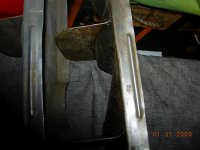
The Model B engine had four 1/2 inch or larger holes in the upper level of the tray and no overflow tube as in the Model A.
 
My theory is the oil pump shield is to direct all the oil onto the dipper tray,having.004 clearance on center cam bearing equals the area of the pipe emptying into the valve chamber.
the holes around the edge of the tray are to limit the amount of oil on the tray.

So it’s make sure all the oil hits the tray and limit it from being excess with the holes.
 
Back
Top