
Talkwrench
Well-known member
Damn straight!


Since it is fairly certain that we can't take our money with us to the other side, I spending mine on memories of this life that I'm pretty sure will go with me.
Likewise, having a garage full to "trailer queens" when I'm 90 won't bring near the peace and happy memories of driving my one old flathead to death over and over and over while I can.


Did you or the shop determine what was causing the vibration ?




Henry:
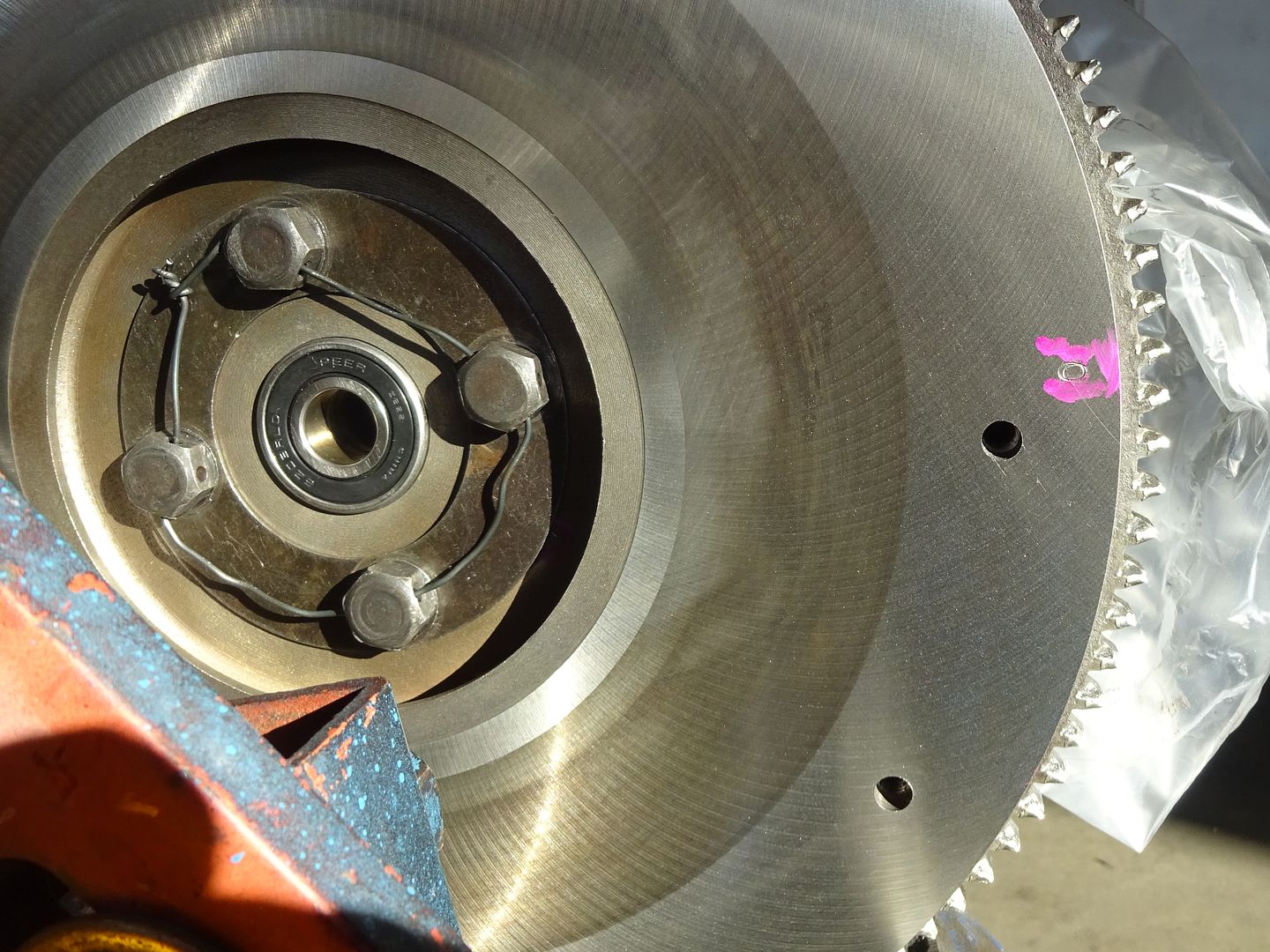
It's probably a little late for this, but your ring gear looks like it needs replaced.
(Is that any better?)
Or, needs replacing?
I'll keep that in mind for next time.

Chris,
I'm talking about the threads that the nut goes on to hold the head down, i'm aware of the threads in the block being different and that you definitely shouldn't use a tap in them, rather a thread chaser.
Thanks for that info, pretty much what i was thinking. I suppose when the studs are in and the head needs a clean there isn't much else you can do about it. If you leave the studs in, is there still enough room to put new valve seats in and have them machined?

I've seen quite a few crankshafts with roughness on the back side of the counterweights. There may have been gas pockets inside the molds where the gasses couldn't escape during the poor. The crankshafts were cast in multiples then they were cut apart after they cooled. FoMoCo balanced them but I don't know what there minimum vibration specs were and I don't know what they used for bob weights. Generally they got them pretty close but if the rods are changed then the bob weights also have to be changed and that affects the overall balance. It doesn't look like they took too much off though It's not unusual to do that to get them in good balance. Sometimes they even pour melted heavy metal in the holes to add weight.
That old ring does have some wear but I've seen a lot worse still in service.


