
You are using an out of date browser. It may not display this or other websites correctly.
You should upgrade or use an alternative browser.
You should upgrade or use an alternative browser.
Understanding body work
- Thread starter 40fordpu
- Start date


FlatheadTed
Well-known member
Yes sand blasting is a science in its self , I tend to hand strip door panels ,or larger panels I think the scotch pads are brown they work OK ,If you have heavy rust sand blast them first
then when you are getting ready for paint do the finial blasting .or you could blast every thing then spay the out side with something to seal it while you do the repairs to be removed later ,(Like a finish lacquer )
then when you are getting ready for paint do the finial blasting .or you could blast every thing then spay the out side with something to seal it while you do the repairs to be removed later ,(Like a finish lacquer )
Frank The Plumber
Well-known member
Well here is how I would do it:
Make sure you have proper equipment to finish a car, including air filters and water separators for your paint guns.
Detail photo graph and describe every single assembly of the car.
Dismantle the car in an extremely micro anal fashion, save every bolt nut and part and place them into ziplock bags boxes or etc, mark every box and number the bags per the coordinating photos.
Have the car either tanked and neutralized or soda blasted. Inquire as to what the harshest media is that may be used, maybe a walnut shell.
Place the car in a stable environment and stabilize the body structure if you are going to do structure work, replace any panels and do all metal work including metal finishing.
Reassemble the cars body parts, check all areas for fitment, adjust as necessary, metal work as needed. When the body and panels fit properly drill very small alignment holes in non conspicuous places so you can easy reassemble the car.
Degrease the entire car body while wearing proper gloves, apply proper metal prep solution, prime with a high quality epoxy primer, let sit for 48 hours or bake.
Apply fillers as required, using rage gold. Block the entire body using longboards.
Apply a dark high build primer that works with your paint system. minimal build.
Apply a light high build primer that work with your paint system. minimal build.
Block the entire car with a longboard and detail sand all areas, pay attention to all edges, you do not want to reshape the cars form in primer.
check the surface for high low, if required reshoot the light primer and repeat the process, and again and again until you either satisfy or exhaust yourself.
I usually block her down to about 500 grit.
Blow the car off well with high pressure air, you may or may not want to wipe the body down, you will want to tack it.
If desired apply a sealer specific to your paint system. Follow their directions.
Dust the space as well as you can 3 times, using floor sweep compound on the floor and strategically blasting air to blow dusts out.
Paper or tape the car as needed.
Attach a ground wire to the car and a pipe in your shops electric system to ground the car. Just wrap a copper wire around something under the car and around a conduit.
Tack the car, and again, and again, put on a tyvek suit, cover all hair, tack the car again.
Set your gun on a spare steel sheet prepared as your car is.
Make a pass on the sheet, play the time for overcoating and get a feel for paint reaction on the sheet, not the car, if it runs on the sheet learn why, and you may not put a run on the car, watch for how the paint is going to lay in to the substrate, is it standing up? Is it laying in nice, flashing too slow fogging etc. Each time you batch a pot take it to this sheet first and sample out each pot of paint before going to the body. If it is making CaCa on the sheet do not apply it to the car body, unless you enjoy caca paint or starting over, be patient. You can stop at any time BEFORE you put a screwed up batch on the body and correct the batch or discard it, once caca is on your car you are done and go back to step A. I know, you are anxious, but nice is better than just colored.
Read and learn all bout your system, some paint types chip very easy when applied too thick, some crack when applied over the wrong substrate, some fillers will absorb solvents used during processes. I never apply water to the body until after the clear has cured.
The system works much like this, the metal body is porous and if you magnified it looks like a piece of velcro, any junk will fill the velcro and make it unreceptive to a good bond. The epoxy primer can structurally go into all of the micro gaps on the metal and is then open to other friendly paints and or primers. The next coat melts into the primer and becomes cross linked to it making a good bond. If you use paints that do not cross link well you will get a separate movement between the primer, sealer and paint and possibly the clear coat resulting in cracks bubbles and chips. So if you put a temporary caca quality not system friendly anything on your nice clean body, you may as well have thrown a blanket over it and painted over that.
Some may disagree with a bit here or there in my own process but the discipline and sanitation is the important thing in the end.
Painting used to be a lot easier when the world was laquer or enamel. Now you have to do a bit of reading. Use proper lung protection, have fun.
FlatheadTed
Well-known member
Frank haven't you got any plumbing work on today ,??
Frank The Plumber
Well-known member
Nope, Sunday. When I was a wee lad I worked in a "body shop", Hack master Mc Gees fibber emporium of Bondo shaping magic. Been hard to break old Hack's ways. I once used 42 gallons of dough on a lady's Buick Electra, right over the paint and all the rust, just as I was told for my $3.35 per hour.

David J
Well-known member
 Good one Frank , " 42 " gallons

 ????? That electra definately qualifies as a " sculpture " . Hope ya wore a mask !!!!!!!!!! David J
Nope, Sunday. When I was a wee lad I worked in a "body shop", Hack master Mc Gees fibber emporium of Bondo shaping magic. Been hard to break old Hack's ways. I once used 42 gallons of dough on a lady's Buick Electra, right over the paint and all the rust, just as I was told for my $3.35 per hour.[/QUOTE
FlatheadTed
Well-known member
Plumins a good trade to have to help with the body work .That iss a lot of dough frank .We call it Bog .
Frank The Plumber
Well-known member
When I first got into the trade I specialized in wiping lead joints, I would do maybe 5 to 10 a day at 2 bills each, I was sad when the world got all anti lead. I could make fittings like the old boys from 1895, I could make pans and flats. I got very good at body soldering old school style. sadly you can't get good body solder that works real sweet anymore very easily and the tallows and tools are long gone. I melted somewhere in the area of 50,000 pounds of lead as of today, some days I would pour 50 to 120 3 pound lead seals. My lead level is a safe 2.6 o 25. I sure miss the old days when men were men and scarred knuckles were respected.
Frank has given some great advise here, and I'll add my two cents-sounds like you are going to have some Dents to deal with. I'm not sure how anal you are willing to go with your Dents-some guys are ok with getting it close and using Bondo, others want to Metalfinish (or close to it). If you want the least amount of Bondo (and have the time to learn and are ok with it taking longer (but want it as close to perfection as you can get), there are some good Videos out there-Ron Covell's "Basic Techniques for working with Steel", Wes Schelin and others have some good DVD's that can show you the basics, and I would recommend you join Metalmeet or MetalShapers-you will learn a lot there, and learn that a Shrinking Disc is your friend. Right or wrong, I tend to overstretch a little and bring it back with a Shrinking Disc-I use very little filler. Learning how to Hammer on-dolly and off-dolly will help you learn how to move Metal-it's an important skill in body work.
Before you tackle your project get some good Body Hammers and Dollies (I prefer the Martin brand), and a well balanced Hammer with proper hardness will help to not wear out your hands, and leave your work in a better state (at least in my case they do).
Most of all, revel in the new-found skills you learn-few things have made me feel better about my knowledge of Cars than learning how to shape and planish Metal-
Here's a Video-
http://www.covell.biz/dvds_welding.htm
and a write by Wes-
http://www.jag-lovers.org/xk-lovers/library/removing_dents.html
Theres a lot of good advise in this thread.
I would like to add a couple of things
First for a Do it yourselfer thats never done this type of work join a good web sight that teaches this type of work to New guys just starting out a COUPLE of the Best Metal working ones have already been mentioned!
But for those just starting out for paint and some body work stuff check out these
http://www.refinishnetwork.com/
http://www.autobody101.com/forums/index
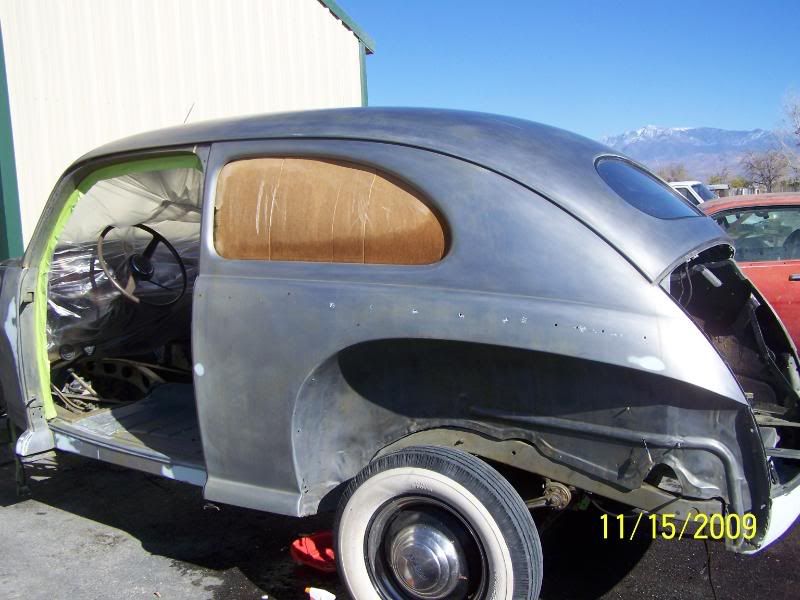
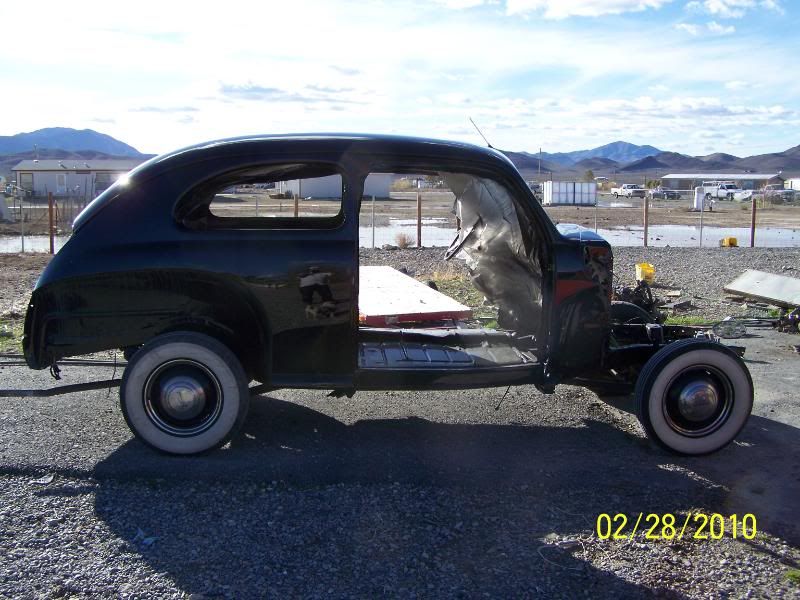
Also I would start a Blog on the project some were to document your work as it goes on youll pick up followers thatle pipe up advise and encouragement! that and you'll be able to step back and see were you were before and then look at were your at.
It Helps a great deal. I am on my second year on my 41 Project its almost done but if it werent for the blog and the encouragement of my friends I may have never gotten it done.
I would like to add a couple of things
First for a Do it yourselfer thats never done this type of work join a good web sight that teaches this type of work to New guys just starting out a COUPLE of the Best Metal working ones have already been mentioned!
But for those just starting out for paint and some body work stuff check out these
http://www.refinishnetwork.com/
http://www.autobody101.com/forums/index
Also I would start a Blog on the project some were to document your work as it goes on youll pick up followers thatle pipe up advise and encouragement! that and you'll be able to step back and see were you were before and then look at were your at.
It Helps a great deal. I am on my second year on my 41 Project its almost done but if it werent for the blog and the encouragement of my friends I may have never gotten it done.
Last edited: