
You are using an out of date browser. It may not display this or other websites correctly.
You should upgrade or use an alternative browser.
You should upgrade or use an alternative browser.
Stud length for '53 Merc?
- Thread starter Steve_S
- Start date


Steve_S
Member
Yes sir, this is all stock. It's the one on the left (obviously!)...
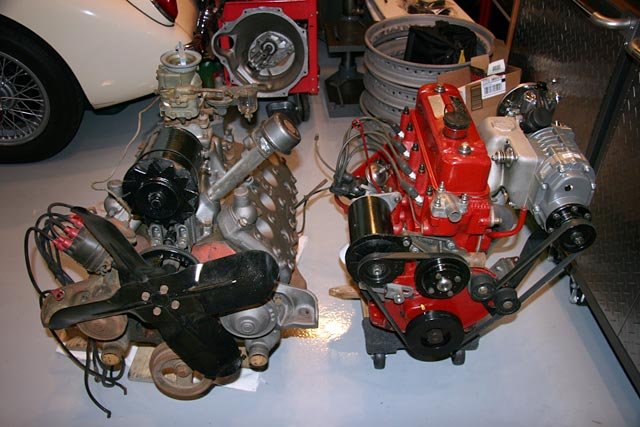
I was told that the aluminum heads take longer studs, and I found a set of those, but no one I called was able to figure out the length for stock heads. All they could do was sell be bolts, or sell me any of four different lengths of studs.
I was told that the aluminum heads take longer studs, and I found a set of those, but no one I called was able to figure out the length for stock heads. All they could do was sell be bolts, or sell me any of four different lengths of studs.

51 MERC-CT
Well-known member
There are two different length bolts.
1-15/16" and 2-5/8"
Just add the thickness of the nut/washer plus a couple of threads to get the length of stud you need.
(The engine in the photo appears to be a '50 or '51 with a Ford intake not a '53 EAC )
1-15/16" and 2-5/8"
Just add the thickness of the nut/washer plus a couple of threads to get the length of stud you need.
(The engine in the photo appears to be a '50 or '51 with a Ford intake not a '53 EAC )

51 MERC-CT
Well-known member
Steve_S
Member
Thanks guys, the question of why is a good one and is a two part answer. First, the engine is in a '39 pickup and I want it to look more period correct. Second, the threads in the block are beginning to look a bit tired so I figure using studs will help protect them from further wear should I need to remove the heads again... which is entirely possible. I'm new to flatheads and this is my first attempt at rebuilding one, AND I'm on a very tight budget so it's even worse.
Hmmm... I was told this was a '53 Merc but never looked into it further. Ford intake, eh? Wonder how that happened. The truck has had an eventful life so nothing really surprises me. I just want to make it as close to right as I can.
Hmmm... I was told this was a '53 Merc but never looked into it further. Ford intake, eh? Wonder how that happened. The truck has had an eventful life so nothing really surprises me. I just want to make it as close to right as I can.

51 MERC-CT
Well-known member
There should be a date code on the passenger side intake mounting surface. With this chart you should be able to determine what month and year the engine was mfg'd.


38 coupe
Well-known member
I "think" that the stud set for stock earlier heads will work with later heads. If you know someone with an earlier, 38-48, motor with stock studs and heads off you could go set your heads on their motor and check stud length. If it works you need to order the stud kit for a 38-48 motor.
Steve_S
Member
Thanks for the replies. There are a ton of stampings in the top face of my block, but nothing I can find that even closely resembles the date code pictured above.
I also noticed today on test fitting the heads that the right head sits flush with the top corner of the block while the right head sits below it a bit. Is that normal?!?
I also noticed today on test fitting the heads that the right head sits flush with the top corner of the block while the right head sits below it a bit. Is that normal?!?
51 MERC-CT
Well-known member
Thanks for the replies. There are a ton of stampings in the top face of my block, but nothing I can find that even closely resembles the date code pictured above.
I also noticed today on test fitting the heads that the right head sits flush with the top corner of the block while the right head sits below it a bit. Is that normal?!?
Two right heads?
 ( Definetly not normal )
Bruce Lancaster
Member Emeritus
Note in the truck picture the truck has the c-shaped spacers that will make the Merc mounting position at least close to truck pump position. Maybe identical, don't use the late stuff much.
I think thread wear in block is main reason studs are useful...apparently the hypothetical grip advantage of fine threads is cancelled by extra friction
Observing two right heads that are also in different places may mean you have the rare quantum heads. You don't need fasteners for those because they can be on and off simultaneously.

19Fordy
Well-known member
You can make it look much more period correct if you install early style (center water outlet) heads in place of your Merc heads.Thanks guys, the question of why is a good one and is a two part answer. First, the engine is in a '39 pickup and I want it to look more period correct. Second, the threads in the block are beginning to look a bit tired so I figure using studs will help protect them from further wear should I need to remove the heads again... which is entirely possible. I'm new to flatheads and this is my first attempt at rebuilding one, AND I'm on a very tight budget so it's even worse.
Hmmm... I was told this was a '53 Merc but never looked into it further. Ford intake, eh? Wonder how that happened. The truck has had an eventful life so nothing really surprises me. I just want to make it as close to right as I can.

Steve_S
Member
Well, the valve job is already done and I'm over budget already. Maybe I should have started from the beginning. Tell ya what, here is a photo montage of what I've done so far. Maybe you bright folks can spot anything I've missed (which shouldn't be hard)...
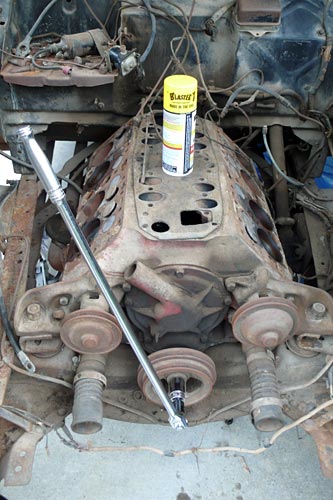
As found:
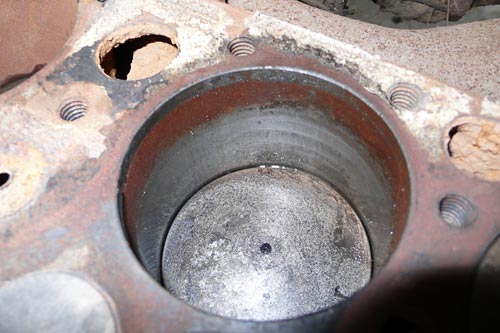
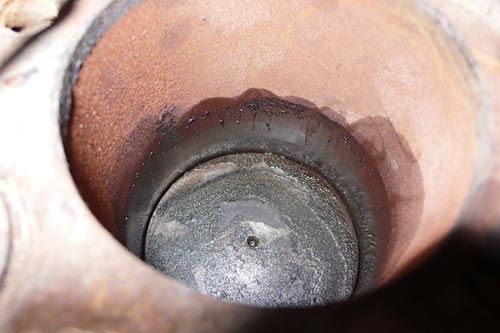
The engine turned easily thank goodness. The bores looked like this:
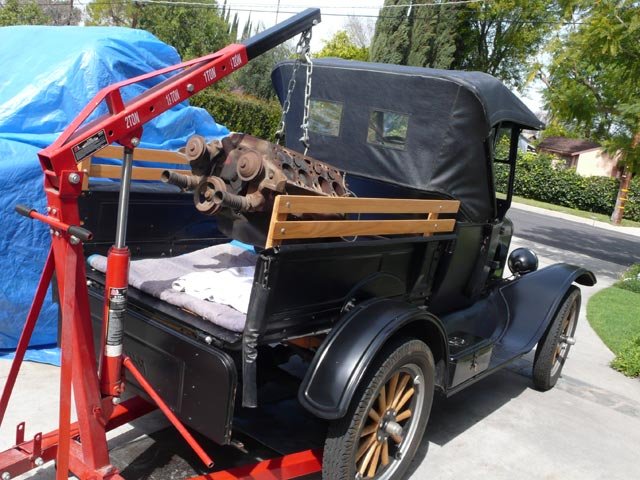
There were five broken head studs so I pulled the lump and brought it to my machine shop in the only other truck I own...
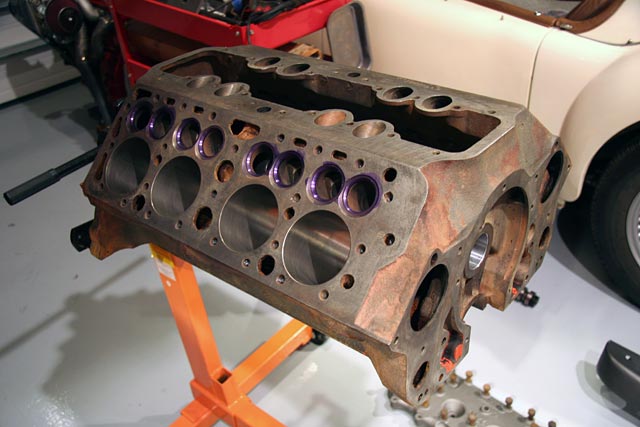
The more I looked inside, the more I realized I had to rebuild this thing so I tore it down and took the block back to the shop. They dipped the block, honed the cylinders and did a full valve job for me. It needed one new valve.
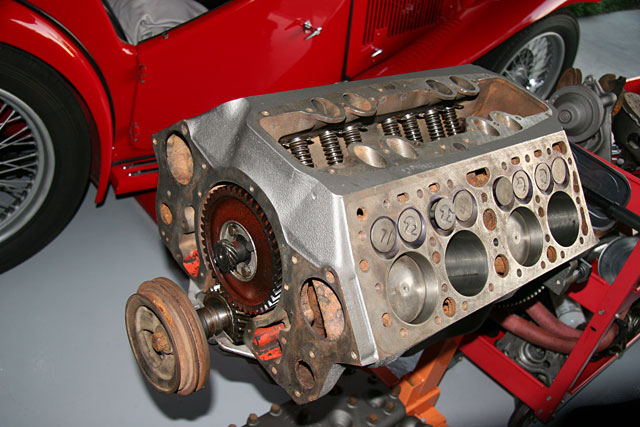
Put the lower end together and valves in place...
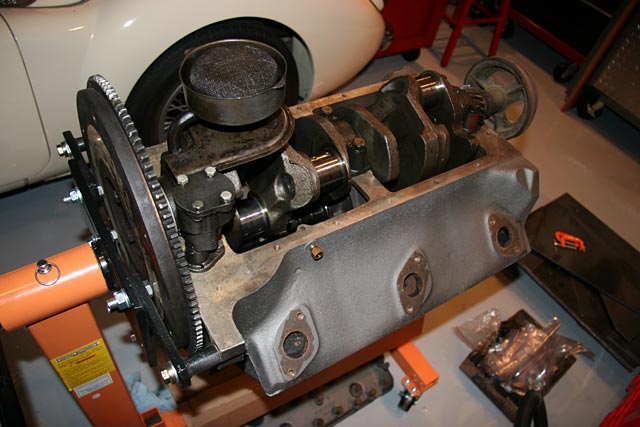
One hole was still seriously bunged up so I drilled it and installed an insert. Luckily it was over the exhaust outlet so the metal bits went right out onto the floor...
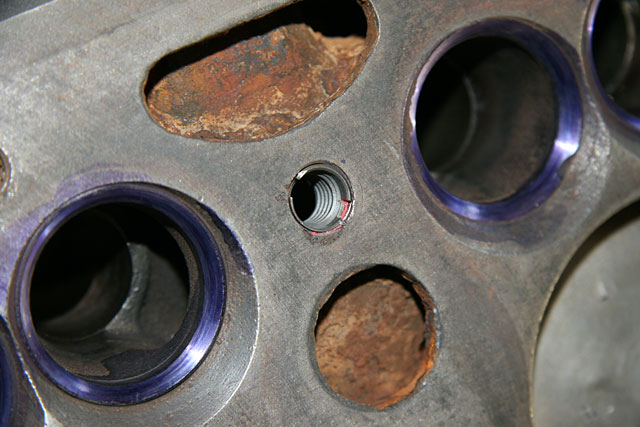
And that's where I stand right now.
As found:
The engine turned easily thank goodness. The bores looked like this:
There were five broken head studs so I pulled the lump and brought it to my machine shop in the only other truck I own...
The more I looked inside, the more I realized I had to rebuild this thing so I tore it down and took the block back to the shop. They dipped the block, honed the cylinders and did a full valve job for me. It needed one new valve.
Put the lower end together and valves in place...
One hole was still seriously bunged up so I drilled it and installed an insert. Luckily it was over the exhaust outlet so the metal bits went right out onto the floor...
And that's where I stand right now.