Butler Nickel on Instrument Panel

Bob V

Member
I do my own bright nickel plating and would like to try Butler Nickel plating on an instrument panel. Does anyone have a good photo showing this finish on an instrument panel? I don't know if the surface scratches are vertical or horizontal or if they are on the sides of the part as well as the flat surface.
 
On mine the lines are vertical, with no lines on the sides. Car is in bed for winter, so sorry, no pictures
 
d. j. moordigian told me the lines were EAST to WEST, parked which WAY????? Bill W.
 

Attachments

  • ModelA_Ford_Wreck.jpg
    ModelA_Ford_Wreck.jpg
    45.7 KB · Views: 48
If you do bright acid nickel you will never achieve the identical butler finish. The Watts process used by Ford deposited a less dense, dull but near white plate finish.

A minimal amount of overbrush with a fine garnet left the untouched recesses dull, something your nickel with added organic deposition brighteners won't ever achieve. If you completely scratch into all the surface to eliminate any shiny spots it will not be like butler was originally done. The look is different.

How are you going to produce a matte, but clean dull down in the lines pressed into the dash panel stamping? Etching or fines blasting of the bright nickel will yield a grayer color than the near-white dull Watts process Nickel.
 
Well, my panel is chrome & some jerk tried to shine it with 180 grit emery cloth, I'll do it with DULL ALUMINUM lacquer & make lines with 24 grit. Shall they be up & down or sideways?? (HELP!) Bill W.
 
To add to what Mike has said. The modern bright nickel solutions contain oxides to produce the bright finish, as well as level out any minor imperfections. Older style nickel solutions contain no such additives. One advantage of the older plating is that they hold their shine longer, as they are more resilient to atmospheric contaminants ie watermarks etc.
 
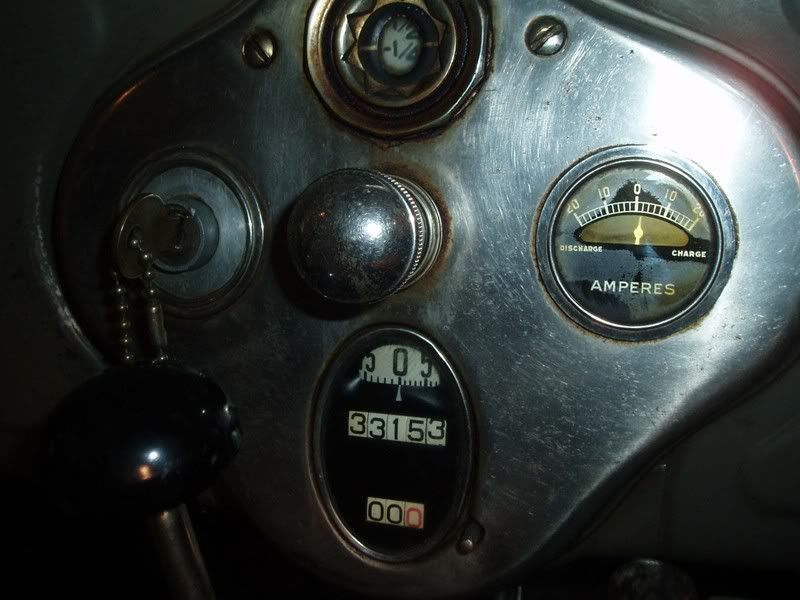
Tom, thanks for posting the photo of the original instrument panel. It's hard to see if it has any sanding or grinding lines in it that are either vertical or horizontal. It looks like the lines that are visible may be scratches from years of use.

Maybe, an original instrument panel never did have sanding or grinding lines in it when it was produced. Maybe, the finish was just dull because of the surface finish of the steel and the type of nickel that was used.
 
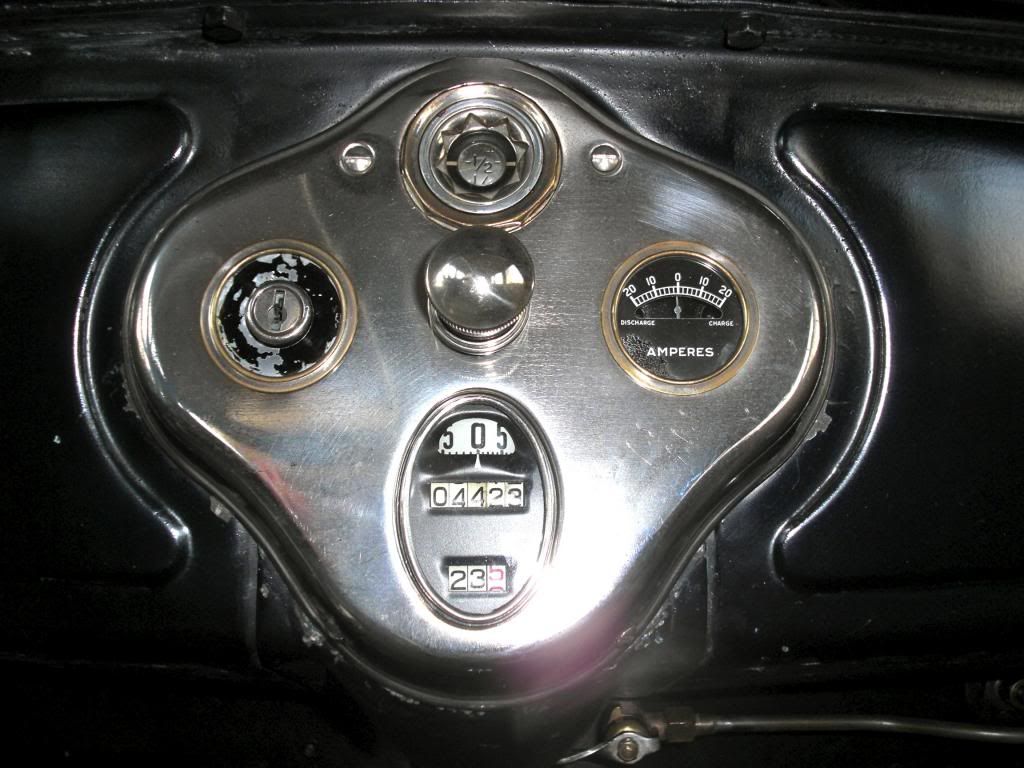
As you can see BUTLER is quite achievable in restoration, Here is the Panel from Dave Lopes Original fordor for reference to start with.
CIMG0606.jpg


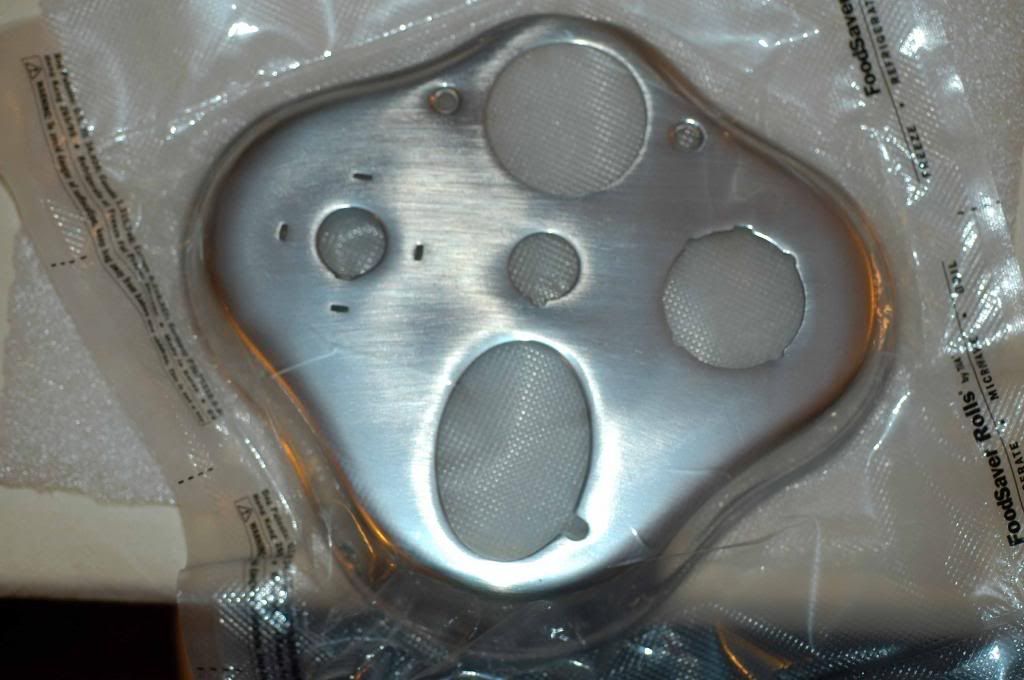
Here is a panel done by Doc Kalinka for High Point
DSC_0043.jpg


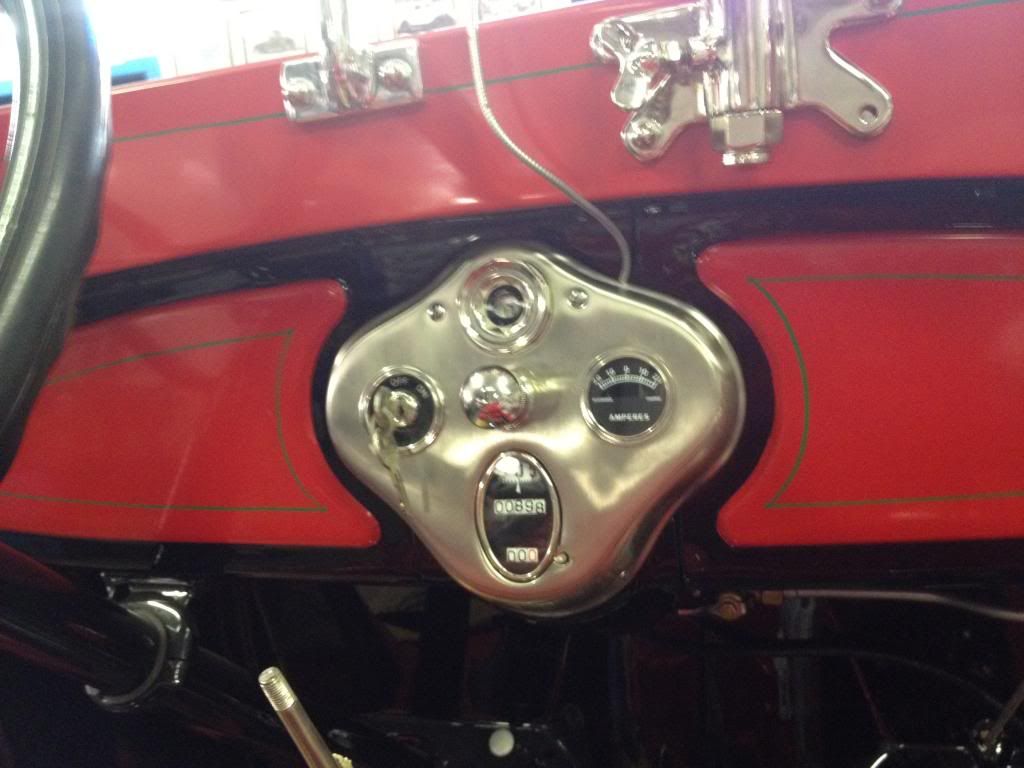
Here is a 29 Firetruck restoration, blurry yes but i think you get the idea that this CAN be achieved,.
IMG_3671.jpg
 
Mark's examples are better than the picture I posted, which was polished until the lines are not showing. If you buy an original instrument panel, (even a pretty bad one) then remove the plate around the switch, you can usually see a good example of the original buttler finish and the lines.

The embossed lines of the late 30-31 panels are not the lines in question. When I had my 1928 and 1929 panels renickeled I used a green Scotch pad to rub the lines into the finish. Bill Bixby (ebay known as phonncon) used to sell nice restored panels on ebay and at swap meets. I don't know if he has any left right now.
 

Mark,
Achievable to what degree? If you mean indistinguishable from original, the panel shown in your second photo doesn't cut it. If you look at the taper inside the top two screw holes, it is shiny and will reveal a little shiny ring surrounding an installed screw. Originals show bright but dull, unbrushed Nickel in such recesses. Driving the scratches further down to hide such bright areas is not a match, either. Originals were done quickly, en mass with large diameter burnishers and there were many such untouched areas, especially on brake levers and later '31 instrument plates. It may fool some judges, but it is not identical unless you start with matte nickel.

 
According to the plater who does my plating the old nickle process was not electro plating, it was a cold process. This is evident when you look at the old pictures of men polishing the face of the bumpers before chrome plating; this is why the back and edges are dull looking ie. if you chrome on a dull surface it comes out dull.

My plater ordered and uses a special buffing wheel to create the Butler finish on the dash cup; the lines are so fine you cannot see them.

Ron
 
Ron, I'm afraid your plater is wrong. The plating was straight Watts process electroplate Nickel, without brighteners. Nickel sulfate+Nickel chloride+boric acid solution with a Nickel tank anode. The plate was a very fine dull matte, requiring buffing.
 
Ron, I'm afraid your plater is wrong. The plating was straight Watts process electroplate Nickel, without brighteners. Nickel sulfate+Nickel chloride+boric acid solution with a Nickel tank anode. The plate was a very fine dull matte, requiring buffing.
As an electroplater myself, Mike is 100% correct.
 
Thanks for the correct information, I will pass it on to the plater.

How ever, without brightners, the nickel was dull ( Butler finish ) which platers are having a problem trying to duplicate today.

Ron
 
Mark,

Thanks for posting the photos. They give me a good idea of what Butler plating on an instrument panel should look like.
 
Back
Top