39 pickup seat recovering

GaryU.

Well-known member
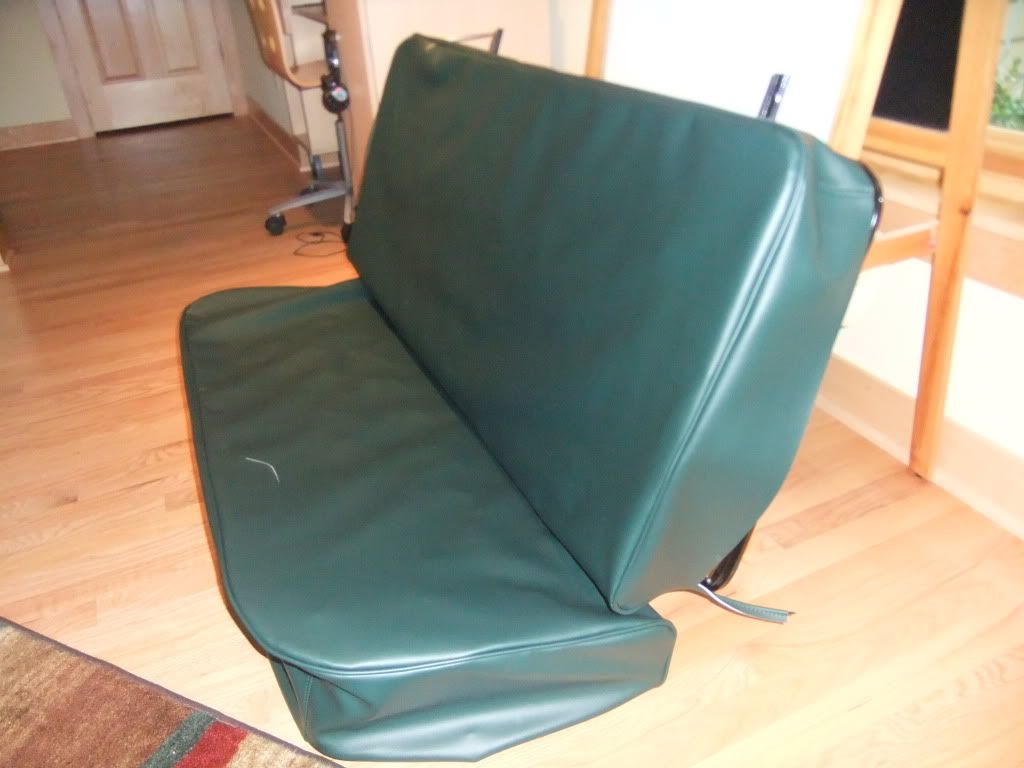
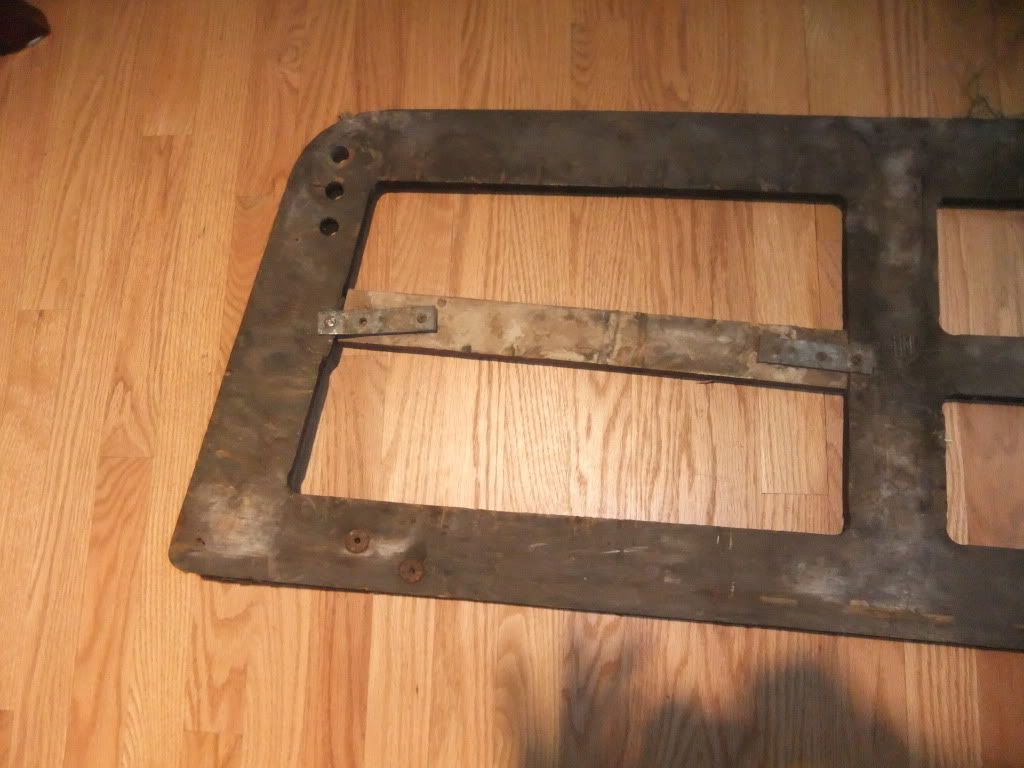
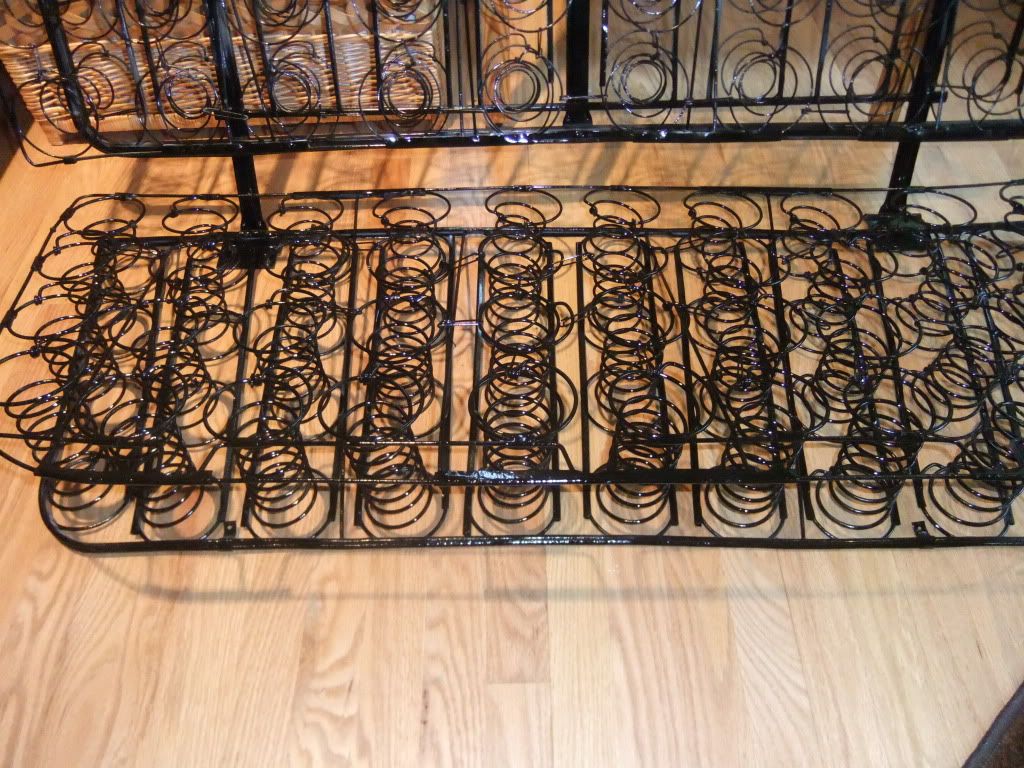
I'm half way to recovering the seat for my pickup project but thought I needed some input before I go any further.So far I've repaired breaks in the steel frame and supports,switched springs from center area to drivers area in hopes for better support and blasted,painted the springs.After checking fit of new covers I'm looking for suggestions if the padding supplied from Macs will be enough or additional padding such as a yoga mat(friends advice)should be considered.Will also be making a new wooden base for the bench springs but noticed original was 5/8 inch,thinking of using 3/4 inch.Last, are the large cutouts in base really needed or can I make them smaller,just want a close to new seat and would like to do it only once.Thanks,Gary
DSCF3033.jpg
DSCF3022.jpg
DSCF3026-1.jpg
 
Not sure what Mac's supplies with their kits for padding. You need to first cover the springs with burlap. Use hog ring to secure it to the springs. Then add your padding. I then put some cheap muslin(from the local fabric store) over the padding and then pull it over the sides and secure it to the sides of the springs. The muslin makes it easier to move the cover around over the padding so you can adjust the cover for fit. Mark the center of the cover and then mark the center of the wood base for your alignment. Staple or tack the cover to the wood base. Space the staples or tacks far apart in the beginning as you may need to rmove them for further adjustment. Once lined up and the cover is tight you can complete the staple/tack process.
 
I used the 5/8 plywood when I did my 35 PU seat. I also used the original pattern, with the large holes. That seat is heavy enough withoug leaving the holes out. It looks like everything else is coming along just fine.
 
I used 3/4" plywood ( I weigh 280lbs), working from my original pattern. Mine is a '40, but they seem to be the same.
IMG_0088.jpg

IMG_0091.jpg

IMG_0093.jpg
 
Last edited:
I hope I'm not too late with my comment, but I'd tie the springs down to compress them as much as possible. Average height for men in 1939 was about 5 ft. 7 inches and at 6 ft. I am always craning my neck to see under the windshield header and through the glass. In fact I would do anything I could to reduce the height of the seat, even the 1/8th inch difference in the plywood could help. I know you already have your springs done, but an experienced upholsterer told me, after the fact, that I should take one inch out of each of the seat springs. I guess tying the springs down in compression would be the next best thing. Good luck with your project and congratulations for taking it on yourself. Toby Lampert
 
Good post Gary, one of my rainy weekend "summer" projects.

Never to late Toby, thank's for helping us 39'ers out:D. Scott
 
Did think about the height.i'm 5-10 and it is hard to see out,thanks for the advice.also about burlap bags what does covering springs do?i've seen pictures like that but don't understand the purpose,thanks for all replies.
 
[QUOTE=GaryU.;.After checking fit of new covers I'm looking for suggestions if the padding supplied from Macs will be enough

I covered the seat in my '52 F-7 with a kit from Mac's and it worked out very well.
 
You need the burlap and padding but also good heavy duty foam about 2"s thick. That's what I have in my 39 all foams are not the same, check with people that do seat work. More strong padding gets your head up a little higher and the windsheild header blocks the sun from your eyes. G.M.
 
The original padding was a layer of jute felt over the burlap then a layer of cotton over that. The original cotton is being replaced more and more with synthetic replacments but as long as it has the same thickness & texture it will do OK. The burlap was to protect the more fragile padding from the constant spring action. Another common practice by the trimmers was to stuff the front corner springs with cotton to give them extra compression tension. The vinyl cover provides a good portion of spring leveling duty depending on how hard you pull the cover when you install and staple it in place. You can build the base any way that you like as long as it has holes for the air to move out of there when you compress it as you sit on it. FoMoCo only used as much wood as was necessary to do the job and no more. The spring assembly was usually stapled to the base pretty well to prevent any movement . The larger holes in the base allow a person to see what's going on with the springs if things get funky in there.

You can use more modern foam in place of the cotton padding but the cotton & jute usually lasts longer under hard use than foam unless a person does away with the springs entirely. This would require successive layers of different tension foam to do the same job that the spring box was doing. A lot of taller folks go this route to lower the seat down and eleminate the possibility of more broken springs later on. I would avoid modifying the springs. It tends to weaken them substantially.
 
Last edited:
Thanks for all responses,will use a 5/8 inch plywood for base and use smaller cutouts than original.will take my time on padding to try and get to my satisfaction.i'm sure some have heard the words of my wife about what I've done so far "if your covering the springs up why did you bother to paint them" I replied,because I know they are there.
 
Gary,

I covered my seats in the 39 pickup with a kit from LeBarron Bonney. After I have sat on it for a while it needs a little more stuffing. The drivers area is a little saggy. I'm going to take it back out and add more stuffing.

Seth
 
Lebaron Bonney has some good videos on U-Tube that show how to put new padding & upholtery on the seats. You have to have some decent download speed to watch them but they are worth the effort.
 
Back
Top