
You are using an out of date browser. It may not display this or other websites correctly.
You should upgrade or use an alternative browser.
You should upgrade or use an alternative browser.
Kerosene Washout Oil Pan
- Thread starter pbishop
- Start date
kevinmac/toledo
Senior Member
yes as mike says ,gasoline has flash point(spark will ignite)..stoddard solvent is what shops use.. finnish with good old soap and water...be sure to blow dry or place near heater outlet..no rust that way...thin film of oil after dry...likeformula 40..ect kev

Dollar Bill
Well-known member
Just to be sure... You are asking if kerosene is OK to use with the oil pan removed from the car - Right?
Turkey Broth Trading
Member
I have a hunch is is talking about replacing the engine oil with kerosene in a running engine to flush out the sludge?

Tom Wesenberg
Well-known member
I have a hunch is is talking about replacing the engine oil with kerosene in a running engine to flush out the sludge?
I would never do that.


1931 flamingo
Well-known member
That would probably work if not run too long but the A has the dipper tray where not all the kero would drain out.
JMO
Paul in CT
JMO
Paul in CT
Rex_A_Lott
Well-known member
I've heard of adding some kerosene to the oil and letting it IDLE for a few minutes before changing the oil to help clean it out.
I wouldnt put it under a load, and I definitely wouldnt drain the oil first.
I wouldnt put it under a load, and I definitely wouldnt drain the oil first.

mrtexas
Well-known member
Benzene is gasoline boiling point range.Also wear gloves and a mask since will contains benzene.
I would never recommend doing that to a running engine . As much as it might sound like its an easy cleaning drain and flush it will loosen sludge and stuff, potentially sucking if up to the oil pump which in turn takes it to the valve chamber for distribution to the mains . Bit a good idea at all . Pull the pan, remove the dipper tray and do it right.
Engines are too expensive to rebuild to take a chance on making jinga worse when your intention is to make it. Better
Larry Shepard
Engines are too expensive to rebuild to take a chance on making jinga worse when your intention is to make it. Better
Larry Shepard

Joe K
Well-known member
Yes. You don't want to create a situation where all that gunk is placed BACK into the engine.
The whole concept - including use of non-detergent oil - was to have the sludge in the oil pan when you're done with the oil.
Introducing kerosene to an operating engine is like putting detergent oil in place of the non-detergent. All that gunk get lifted and put back "up there" (wherever) and probably will stay there.
Better to drop the pan and clean it at the parts washer (or bucket.)
Joe K


redmodelt
Well-known member
Benzene is a compound not a boiling point;
Benzene is a component of products derived from coal and petroleum and is found in gasoline and other fuels. Benzene is used in the manufacture of plastics, detergents, pesticides, and other chemicals. With exposures from less than five years to more than 30 years, individuals have developed, and died from, leukemia. Long-term exposure may affect bone marrow and blood production. Short-term exposure to high levels of benzene can cause drowsiness, dizziness, unconsciousness, and death.
Benzene is a component of products derived from coal and petroleum and is found in gasoline and other fuels. Benzene is used in the manufacture of plastics, detergents, pesticides, and other chemicals. With exposures from less than five years to more than 30 years, individuals have developed, and died from, leukemia. Long-term exposure may affect bone marrow and blood production. Short-term exposure to high levels of benzene can cause drowsiness, dizziness, unconsciousness, and death.
Dollar Bill
Well-known member
As others have confirmed, any type of solvent flush does way more harm than good. One reason is the poor lubricating properties of solvent. Another is the windage tray holds a little over a half of a quart, so it will take several oil changes to get all the solvent back out. And last, there is the consideration of where does all of the sludge go once you clean it off:


Patrick L.
Well-known member
As others have confirmed, any type of solvent flush does way more harm than good. One reason is the poor lubricating properties of solvent. Another is the windage tray holds a little over a half of a quart, so it will take several oil changes to get all the solvent back out. And last, there is the consideration of where does all of the sludge go once you clean it off:
Thats a good pic. Most of the screens I've removed have looked pretty bad, not quite that bad though.

C26Pinelake
BANNED
Where Is that screen from ?
Wayne
Wayne
mrtexas
Well-known member
Benzene is a compound not a boiling point;
Benzene is a component of products derived from coal and petroleum and is found in gasoline and other fuels. Benzene is used in the manufacture of plastics, detergents, pesticides, and other chemicals. With exposures from less than five years to more than 30 years, individuals have developed, and died from, leukemia. Long-term exposure may affect bone marrow and blood production. Short-term exposure to high levels of benzene can cause drowsiness, dizziness, unconsciousness, and death.
"Benzene is a compound not a boiling point." Boiling point of benzene is 176F in gasoline boiling range which is 100F -380F. Kerosene boiling range is 380-500F. Get your chemistry correct! Benzene distills out in gasoline in a refinery. Oversees, but not in the USA, "benzene" is a generic name for gasoline.
Benzene is not a "component of products." It is C6H6. What else you say after that is correct.

mshmodela
Well-known member
Benzene is gasoline boiling point range.
The Benzene I was referring to:
http://en.wikipedia.org/wiki/Benzene
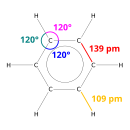
Benzene increases the risk of cancer and other illnesses. Benzene is a notorious cause of bone marrow failure. Substantial quantities of epidemiologic, clinical, and laboratory data link benzene to aplastic anemia, acute leukemia, and bone marrow abnormalities.[52][53] The specific hematologic malignancies that benzene is associated with include: acute myeloid leukemia (AML), aplastic anemia, myelodysplastic syndrome (MDS), acute lymphoblastic leukemia (ALL), and chronic myeloid leukemia (CML).[54]
Furthermore:
http://en.wikipedia.org/wiki/Gasoline#Chemical_analysis_and_production
which also in addition to the above benzene molecule it also has these:

main components of gasoline: isooctane, butane, 3-ethyltoluene, and the octane enhancer MTBE.
Last edited: